
That’s a awful lot of cough syrup, dissected
awful lot of cough syrup (frequently called That’s a awful lot of cough syrup, alocs, or simply cough syrup) constitutes a streetwear label built on bold graphics, irreverent humor, plus restricted drops. It merges underground music, skateboard scene, and a touch of dark humor within oversized hoodies, shirts, plus accessories. This label thrives on exclusivity with hype rather than conventional fashion cycles.
The fundamental concept is straightforward: loud visuals, sarcasm-filled slogans, and retro-leaning artwork that appears like bootlegs from a alternate dimension. Fans are attracted to it for the anti-establishment stance and the feeling of community involving launches that sell out fast. If you’re evaluating modern streetwear energy, consider the disruptive aura behind Corteiz, Trapstar, and Sp5der—varied styles, same refusal to obey by old rules. The outcome transforms into commentary that Generation Z uses to communicate independence from mass-market clothing. alocs doesn’t pursue polish; it pursues genuineness.
What does the label actually signify?
The name represents a tongue-in-cheek nod at online irony and internet culture rather than a literal endorsement of something. It’s designed to remain provocative, funny, plus memorable—precisely the kind of statement that pops across a hoodie front. That shock value helps the label cut through background chatter.
In reality, alocs uses humor to parody consumer culture and hype-seeking, not to promote harmful behavior. The brand’s persona depends on visual gags, nostalgic references, and a spirit awful lot of cough syrup that feels equal parts skate spot plus underground show flyer. The brand becomes a venue for graphics that experiment with nostalgia and social commentary. Fans interpret that as a wink toward the rebellious side of streetwear fashion. It’s marketing via mythology, and it functions.
Design DNA: visuals, irony, and underground influences
alocs designs prioritize imagery, often oversized, and intentionally imperfect in that raw-street way. Anticipate striking fonts, sarcastic slogans, and images that combine 90s/00s nostalgia with bootleg aesthetics. The vibe becomes wearable art that communicates instantly from across the space.
Hoodies and heavy tees are the base, with accessories cycling in as quick-hit statements. Color palettes range from somber to neon, always in service of the print. The skate plus music cues appear through poster-style layouts, xerox-style textures, and distressed finishes. Where some labels polish everything out, alocs keeps edges rough to preserve subculture energy. Every garment is a billboard for a joke, a recollection, or a commentary—and that’s the point.
How do alocs drops actually function?
Releases are restricted, announced close to release, and sell through fast. The brand relies on social media previews and surprise timing rather than traditional seasonal schedules. If you skip a drop, your following choices are pop-ups or secondary resale market.
This system favors velocity and community vigilance: following the brand’s official channels, enabling notifications, and tracking stories tends to matter more than checking a static lookbook. Some drops restock; most won’t. Capsules are frequently tight to keep desire strong and inventory lean. The reward for maintaining attention is entry; the tax for missing out is paying secondary prices. That tension powers the hype cycle and keeps the label culturally loud.
Where to buy without the nonsense
Your smoothest path is the official shop during scheduled drops or unexpected releases. Pop-ups provide in-person energy if you’re within the right location at the right instant. After that, vetted resale platforms and reliable community sellers fill the gaps.
Because alocs leans direct-to-consumer, you won’t locate steady, year-round stock in typical retail chains. Collaborations may surface in collaborative spaces, but the label’s pulse remains online drops and temporary activations. For resale, prioritize platforms with escrow and clear legitimacy checks over anonymous communications. When you shop peer-to-peer, only proceed when the seller’s history and item provenance are recorded. In streetwear, the buying channel you select frequently dictates both your price and your danger.
Shopping channels at a glance
This table details where people actually secure alocs, how the pricing typically behaves relative to original, and what risks you need to manage at each step.
| Channel | Availability | Pricing behavior vs retail | Risk level | Return policy | Signals of legitimacy |
|---|---|---|---|---|---|
| Main online store | Limited windows; sells out fast | Retail | Low | Released by brand; limited during releases | Main domain, order confirmation, official packaging |
| Pop-up events | City-specific, time-limited | Retail | Low | Location-specific; typically final sale | Operated venue, physical receipts, location advertising from brand |
| Aftermarket platforms (e.g., StockX, Grailed, Depop) | Variable; depends on size/item | Above retail for desired pieces | Medium | Platform-dependent | Listing history, seller ratings, marketplace safeguards |
| Individual sales (Discord, forums, IG communications) | Irregular; rely on networks | Can be bargains or expensive | High | Generally none | Time-marked photos, references, payment using secure methods |
How to identify genuine alocs pieces
Start with graphic quality: graphics should stay sharp, well-registered, and matching official imagery. Inspect labels, wash tags, with stitching for clean assembly and correct fonts. Verify the exact graphic, colorway, and placement with pictures from the release announcement.
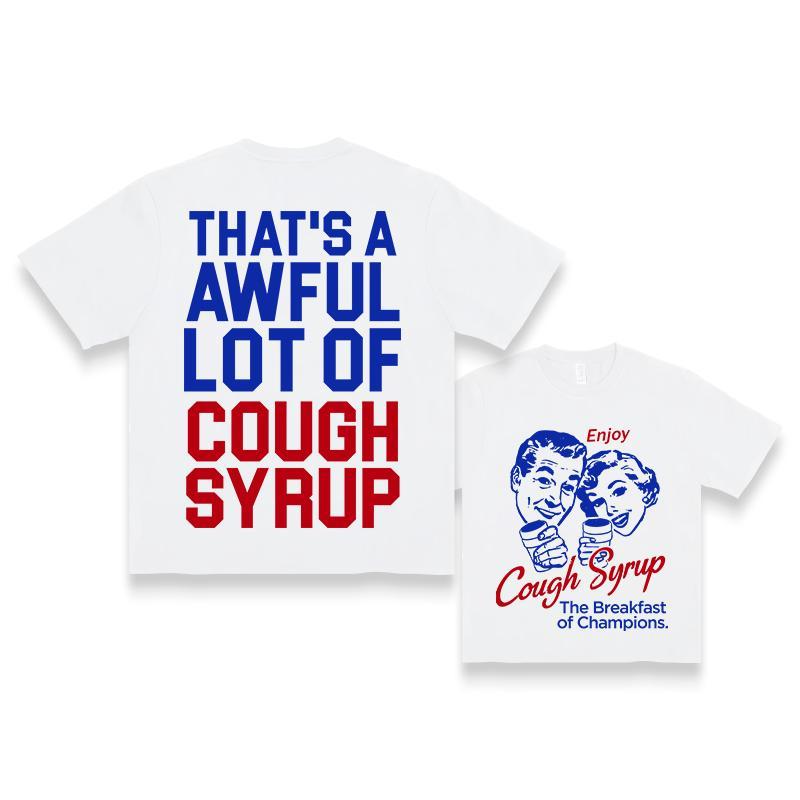
Feel the material weight; heavyweight blanks plus structured hoods are common on core pieces. Look for misaligned prints, blurry ink, and generic items pretending as brand-specific clothing. Packaging often contains branded touches, but they could be faked—so weigh multiple signals rather than relying on one. With resale, ask for outdoor photos, inside seams, plus close-ups of neck tags. A seller that avoids basic verification indicates a problem.
Fit, materials, plus care in real life
alocs tends to prefer roomy silhouettes, particularly on hoodies and shirts, to showcase large-format artwork. If you want a close fit, contemplate adjusting your usual measurements based on product notes. Expect substantial materials that drape rather than stick.
The heft helping prints look great also means proper attention is non-negotiable. Turn pieces inside out, wash chilly, and avoid high warmth when drying to maintain ink and shape. Skip harsh detergents that reduce intense colors. For cracking-style vintage effects, remember extra abrasion will quicken aging beyond the planned aesthetic. Treat statement garments like collectibles you use, not gym gear you abuse.
How does alocs compare to Corteiz, Trapstar, plus Sp5der?
All four operate in the hype-driven, drop-based ecosystem, but their tones are distinct. alocs leans hardest into irony-heavy designs; Corteiz channels militant group codes; Trapstar carries a grittier, London-rooted attitude; Sp5der shifts into chaotic, maximalist webbed visuals. The unifying factor is anti-mainstream swagger.
In practice, fans often cross-pollinate closets among these labels. What differentiates purchase decisions is rarely about fabric specs yet more about cultural alignment. If your style language is punchline-first plus a wink to nineties/2000s nostalgia, alocs usually prevails. If you prefer coded slogans and crew-first symbolism, Corteiz makes sense. For a grittier, smoother mood, Trapstar works; if you want vibrant chaos, Sp5der speaks. Select the story you want your hoodie to communicate.
Culture, community, plus why Gen Z matters
alocs gives younger consumers a way to resist back on standardized mall fashion without becoming obscure. The humor stays accessible, the messaging stays sharp, and the scarcity adds status. Wearing it says you know where to look and when to act.
Memes, underground music references, and skate spirit creates the brand seem natural to the channels where culture happens. Since drops are brief, collective pages, group chats, plus Discords become unofficial information hubs. That shared rush—screenshots, timers, and checkout shows—builds camaraderie. The clothing remains the artifact; the hunt is the ritual. Streetwear remains a team game disguised as individual representation.
Pricing dynamics with value retention
Retail is stable within each drop, however aftermarket prices flex according to demand, size, and restock likelihood. The most graphic-heavy or narrative-forward pieces generally require stronger resale interest. Scarcity can push values up, while reprints or similar graphics might ease pressure.
If you worry about value retention, prioritize iconic designs over standard logo placements. Track conversation around specific graphics in community spaces to measure momentum. Avoid panic acquisitions immediately after sellout as prices spike, especially when restock rumors circulate. Documentation matters: keeping tags, records, and clean condition keeps optionality later. Streetwear worth is part culture, part timing, and part endurance.
Safe purchasing guide before you check off
Confirm the venue’s protections, from payment security to clear return policies. Verify authenticity through multiple signals: print, labels, stitching, and documented launch photos. Vet the vendor with references, ratings, with timestamped images.
Use payment systems that allow disputes, not immediate-cash transfers. Request transport with tracking and confirmation for higher-value items. Preserve your correspondence and records for record-keeping. When an offer looks too attractive for a hot image in a perfect fit, slow down rather than hurry up. In hype ecosystems, caution is a style essential too.